Perspective
Medical Design in China - Interview with Quan Shan
"As designers, we work with an eye to the future."
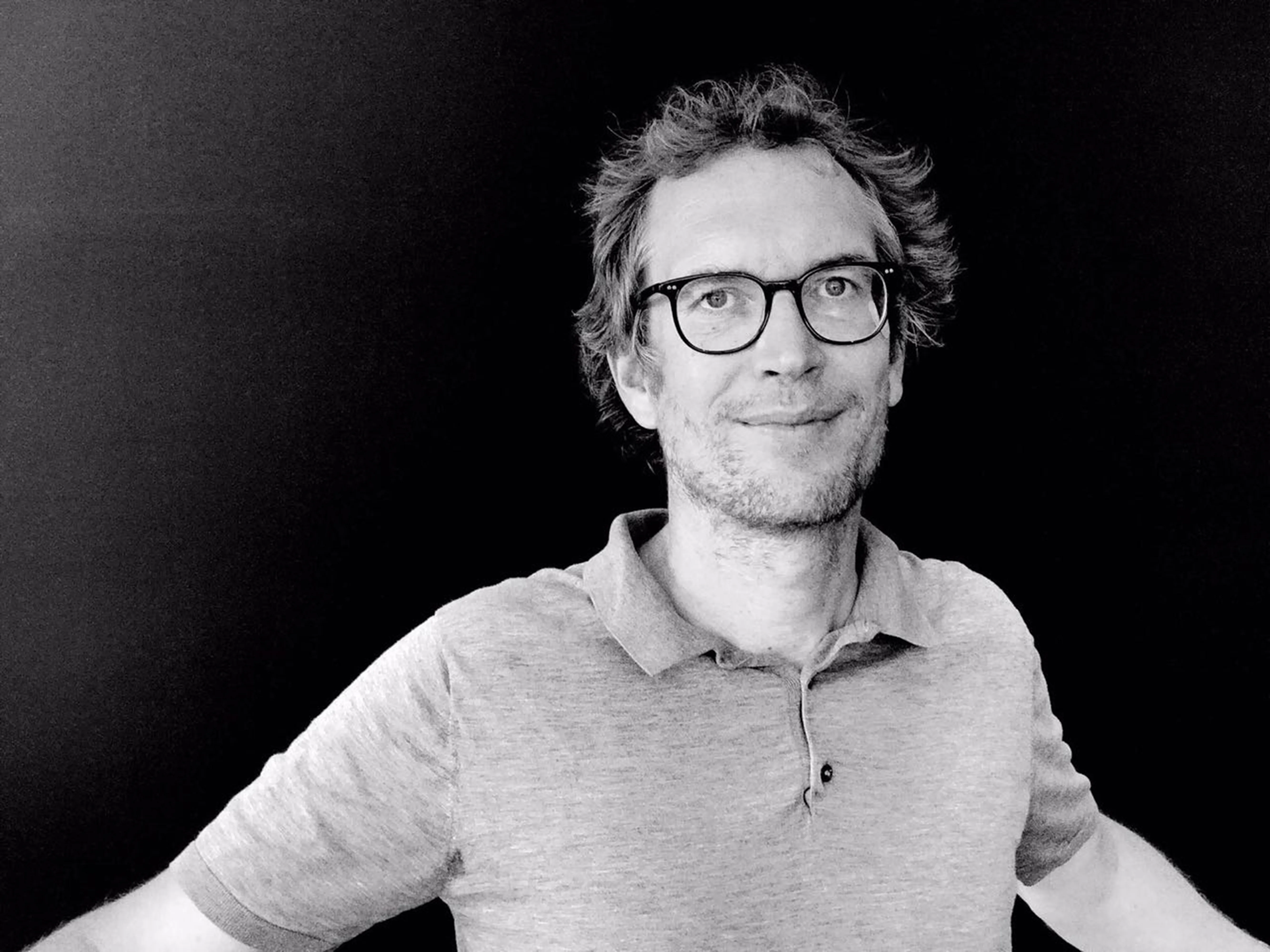
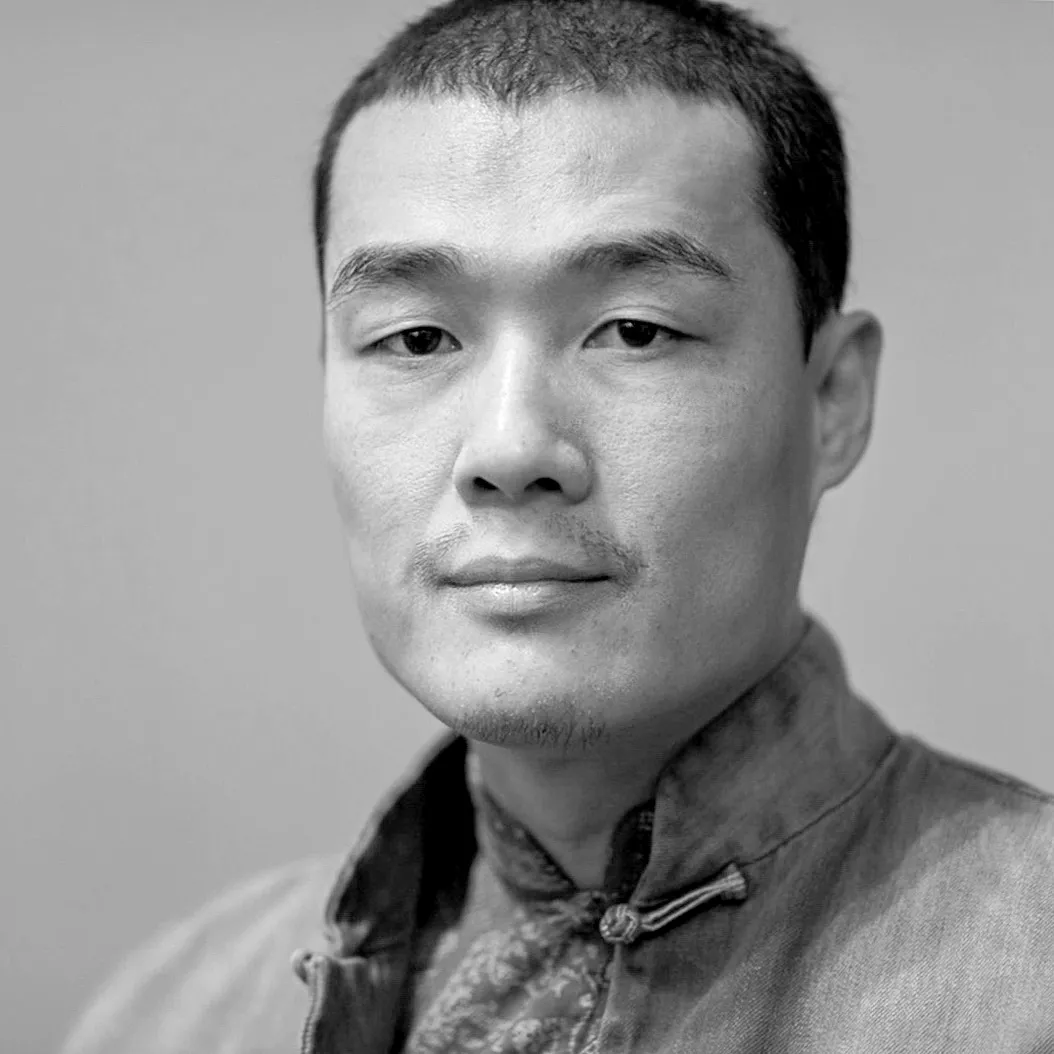
QuanShan is General Manager and Creative Director at WILDDESIGN Shanghai.
What are the main differences between the Chinese and German markets?
QS: If we talk about the market in general, the difference between the Chinese and German markets lies in people's purchasing behavior. From my personal experience, when I lived in Germany, there were few options for consumer goods. In China, on the other hand, the production possibilities allow us to have more choice, despite the fact that we export many goods all over the world. On the one hand, this is an advantage for customers, but on the other hand, it means strong competition for companies. And because there are all these options, the Chinese are more selective when choosing certain products.
Can this also be applied to medical design?
QS: Yes, there are a large number of product suppliers and also service providers, which is why competition is higher here than in other countries. We have a large selection of different brands with a strong international background that cover the high demand for high-level medical products. Not only is there already strong competition between Chinese brands, but with more and more international companies, it is also becoming more difficult in the mid-range and entry-level segments.
In contrast to the strong competition in China, the German market is more regulated and organized. In China, the implementation of such regulations is difficult due to the diverse regional situations. Companies have to deal with the different framework conditions depending on the location, even if the product is the same. For example, the strong resources of the manufacturing industry in southern China and the strong state-owned enterprises in northern China lead to different local policies.
Are there any other aspects that companies should consider if they want to cooperate with a Chinese company?
QS: In the early years, foreign companies usually work with a local partner as a sales agent, which also helps them to obtain licenses for imported products from abroad. Later on, the company will also try to produce locally in order to save costs for production and shipping. This is the key to remaining competitive, especially for companies in the entry-level or mid-range.
There are various strategies ranging from importing and selling foreign-made and certified products with Chinese license to locally manufacturing certain products with various certifications in China. Local production may require changes in the production process, so the development has to be repeated from the beginning, which will certainly lead to additional costs. We can still see that most international brands source components from China or only source sales and service instead of having their whole team and process, such as research and development, here in China.
Can you name any specific regulations that are important in China?
QS: There are three classes for medical devices and products. For the first and second, it is a little easier, as references to existing models on the market or previous developments speed up the process. For the third class, however, you need clinical tests and certificates. This means you have to carry out patient-related tests, which take a lot of time and are limited in terms of space and patient selection.
A way must be found to implement these clinical tests in China. This delays the entire process and the company may need another year. After a year, there may no longer be a market share for the product, so each company has to think for itself: Do I really go to China or not? This year or next year? Or maybe five years later with a new product?
Do you have any recommendations from your personal experience with Wilddesign?
QS : Essentially, design work in Germany and China is no different because we are part of the development process. But a Chinese company sees a design agency as a service provider rather than a partner, or as an external input to fill gaps in their own team of engineers and designers. This type of relationship makes work difficult if, for example, internal decisions are not communicated well to external companies like us. The same thing also happens in Germany, of course. The first project doesn't go so smoothly before both sides build up trust after two or three years.
In China, it is a bit more complicated to move from the position of service provider to a partnership. Until they feel empowered to face the market, many of the local companies need our support in the first few years as they struggle with the combination of brand image and product image. After that, they put more and more responsibility back into the hands of their own team in order to save costs, speed up the process or perhaps make administration easier.
What is the difference between medical and consumer goods?
QS: Medical products generally take longer to develop than consumer goods. It takes at least one or two years to bring a product to market. At least five for a good product family. During this phase, clients remain loyal to us because they believe that we are doing a good job. Most of the time, however, we are asked for better results, more advanced modifications and more communication.
As designers, we work with an eye to the future. No one can predict the future and for medical devices this is even more difficult because the market can change quickly during a long production phase, as Covid has shown. All companies should consider the risk when investing in a new product.
Twenty years ago, nobody really talked about industrial or product design. When we talked about design, in that heyday of mass production, we often thought about cosmetic or fashion design or interior design. Nowadays, there is a much higher level of what we call needs - the consumer wants more than just the basic satisfaction of their needs.
The same thing is happening in the medical sector. Due to the increasing needs, the atmosphere in the hospital is very different from ten years ago. Everywhere is much more open, spacious, warm, colorful and bright. But not only the environment has improved, but also the service, the way patients are treated. With such a large number of patients, this is more difficult than in Germany. At the same time, the demands on products and equipment are increasing. This is why the need for design agencies has increased so much in the last ten years, especially for professional medical products and laboratory equipment.
Are there any other notable trends in China?
QS: Instead of talking directly about products, companies are increasingly asking how they can build a strong brand image. This broader understanding was not so common before. The product is still the focus of business, but more and more clients are talking about brands. This is a sign of the growing awareness among more and more investors and managers in companies that they should not only focus on short-term business, but also take a long-term view of the brand.
If you decide to invest in medical products, this means planning for at least ten or 20 years. The brand image becomes very important even before the first product is available. Sometimes we first talk about a logo or a name that should be attractive not only in China, but also globally.
To what extent has Covid-19 influenced the medical industry in China?
QS: Very strong. Some manufacturers of medical products noticed this for the first time when there were the first lockdowns in Chinese cities. Many companies in the medical sector were supported by the state after their production was halted. Initially, we had hoped that the situation would improve after a year, but now we see that it will probably take two years or even longer.
However, not all companies receive support from the state and this is particularly critical for small companies. Especially at the beginning of the pandemic, we had many projects that were initially discontinued or completely canceled. Conferences and trade fairs were postponed indefinitely, which stands in the way of companies' growth. That was a really difficult phase at the beginning.
However, some companies have found a way. For example, for masks and rapid tests, companies have accelerated production for large orders from local or central government at an incredible pace. Their capacities have been expanded in a short period of time, but they are aware that they have to think about the future when the requirements drop again after a year.
They may try to establish new links with hospitals that will continue to need materials after the pandemic, or quickly develop new product concepts that are attractive for temporary medical use. One example of this is ventilators: they are not only in demand during the pandemic, they are also constantly needed in hospitals.
One last question: What role does usability play in China?
QS : In Germany and Europe, it has been a hot topic for the last five years or even longer due to regulatory pressure, as well as in the USA with the FDA. It's the same in China: as long as there are no mandatory regulations, producers are just preparing, but not doing anything for the time being to save costs .
However, the government wants to reform the medical-institutional structure and regulations. Experts from Germany and Europe are helping us to find out what the European market is doing in relation to these regulations and they are guiding us in the construction of usability test centers. In Europe, the process has also just slowed down for a year. Here in China, the process will also be delayed due to the lack of experienced staff in the usability centers and the lack of a final version of the regulations.
Large companies here in China that export to Europe and the US are ready for these regulations and are also preparing for the publication of usability regulations in China. But some small companies know nothing about usability and the processes involved except for a definition of the word. These rules are only slowly being passed from the top, so it is still at the bottom of their list. But it doesn't work to consider usability at the very end of product development. I therefore hope that this will change soon. In China, things can change quickly and are pursued with great efficiency when they come "from the top".
Perhaps a final statement?
QS : When companies come to China, there are generally differences not only on a business level, but also on a cultural level. I know many foreigners who have stayed here for many years and speak Chinese very well. They are aware that Chinese culture has a big influence on how we do business here, how we evaluate partnerships and relationships. Chinese people always talk about relationshipsthe word is very meaningful to us. This determines the mindset for decision-makers in Chinese companies and this is also brought into a cooperation with a foreign company.
Thank you, Quan!
Would you like to know more about this topic? Write to china(at)wilddesign.cn
Frequently asked questions