Getinge
Rotaflow II - Life-Saving ECMO Technology
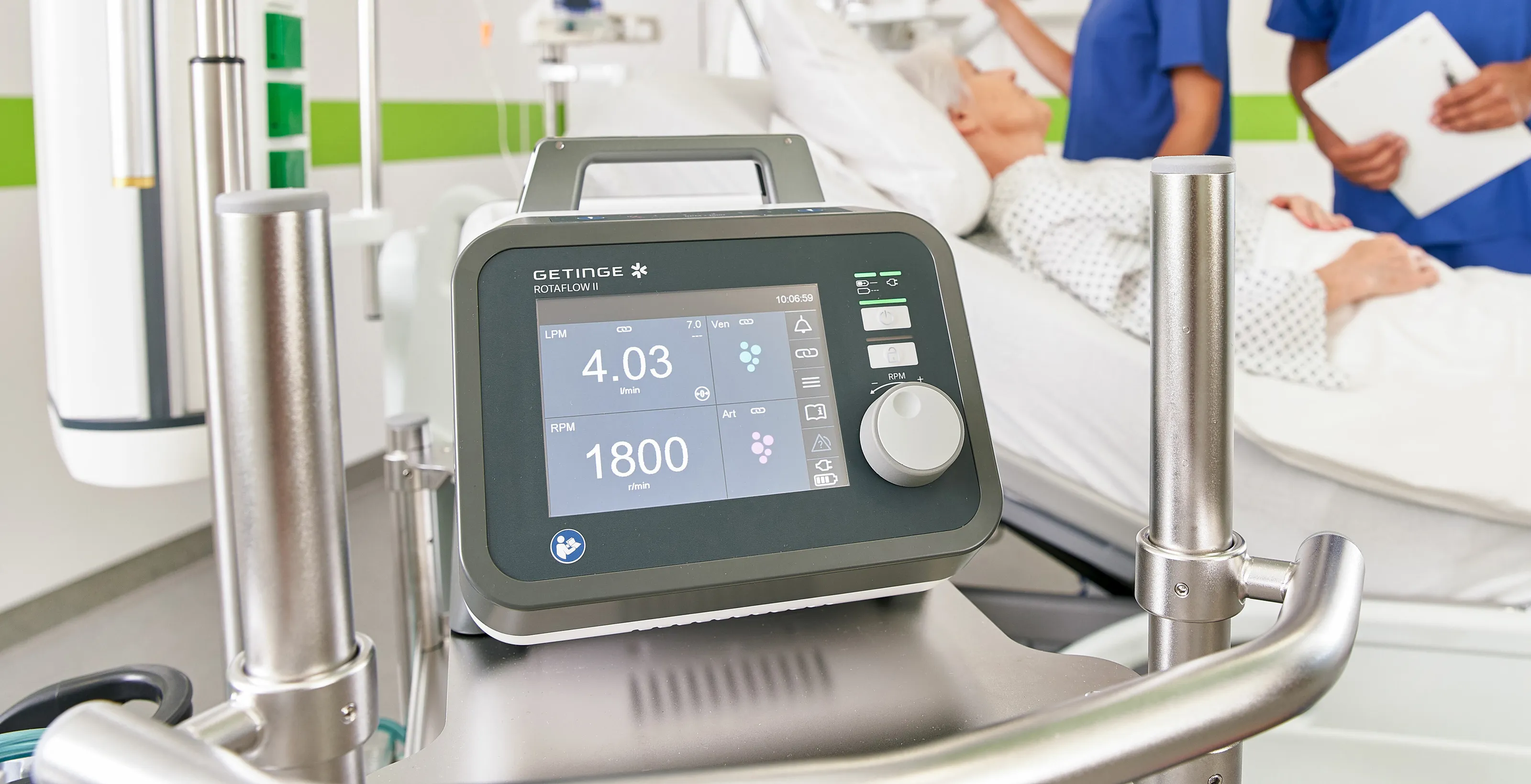

Getinge is one of the global market leaders in ECMO/ECLS technology, which is used to support patients with heart or lung failure. The new version of the Rotaflow II system significantly improves functionality and ergonomics. WILDDESIGN prevailed over several competitors in a pitch and was commissioned to redesign the device. Our goal was to preserve the proven functionality while modernizing the operation and design to improve usability for medical staff.
From the very beginning, we were impressed by the system's ability to keep people alive and even maintain organ function until a transplant. Motivated by this, we joined the project and redesigned the housing, the user interface, and the accessories.
Task
- Design of a Modern ECMO/ECLS System
- Improving User-Friendliness
- Focus on Ergonomics and Mobility
- Optimization of the User Interface
- Durability and Safety for Everyday Hospital Use
Procedure
- Two design approaches combined and refined
- Large display, second display as a backup
- Integrated multifunctional handle, reduced weight
- GUI with step-by-step instructions (wizard)
- Design Optimized for Load-Bearing Capacity
Result
- Compact, sturdy design with clean lines
- Intuitive operation even with hoses connected
- Easy to handle and transport, weighing 11 kg
- User-Friendly Setup with the Priming Wizard
- Durability and functionality even under harsh conditions

Simple yet smart. A modern design for maximum functionality
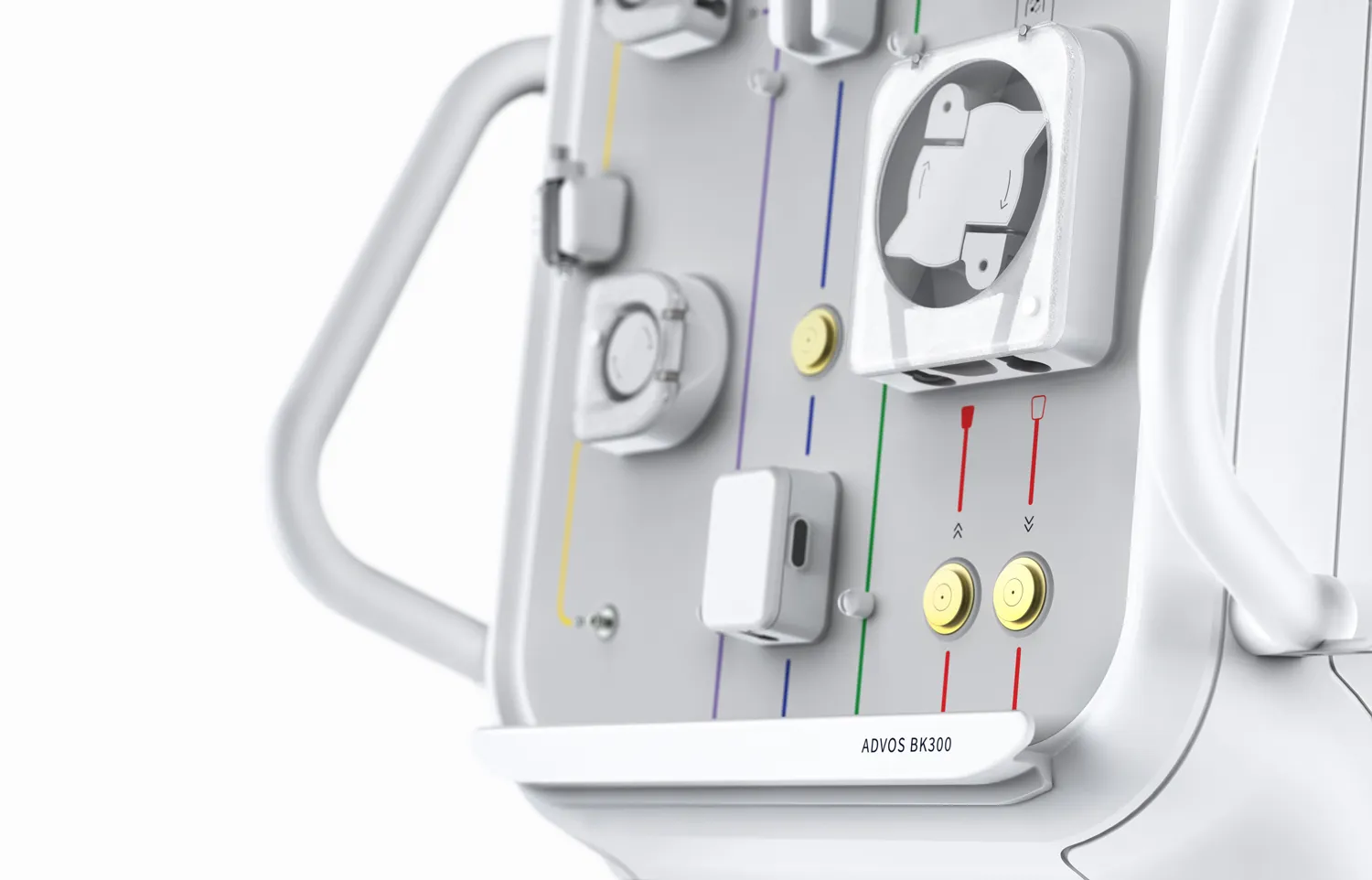
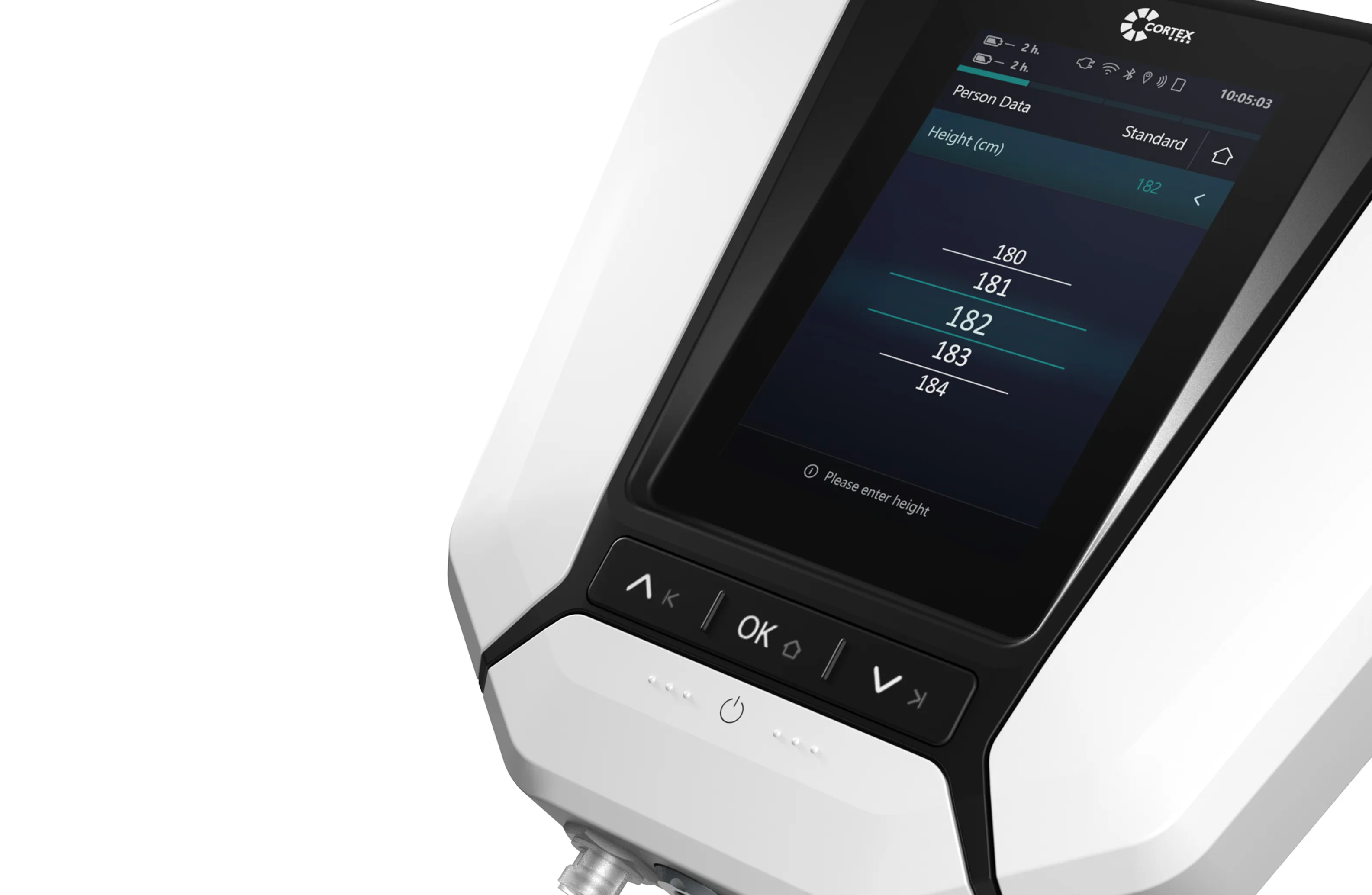
The Rotaflow II’s predecessor was designed for functionality, but its angular sheet-metal housing made it bulky and difficult to handle. By combining two design approaches, the result is a compact, modern device with clean lines and a user-friendly interface. The Rotaflow II’s design emphasizes the user interface, which stands out against the light-colored body thanks to its dark contrast. All connections are located on the dark-bordered back panel, which makes it easier to organize hoses and cables. The large main display enables simple and intuitive operation, while a second, smaller backup display at the top provides additional reliability in case the main display fails.
Another highlight of the design is the ergonomic support arm, which was developed based on usability research and hospital visits, incorporating the insights gained during those visits. Tubing management was a key challenge in this process. The support arm holds the centrifugal pump and the oxygenator and can be flexibly attached to either the right or left side of the Rotaflow II handle, depending on the position of the cart, known as the “Sprinter cart.” This provides a compact and secure solution that saves time during setup while also ensuring that no critical system components can get in the way or be damaged when people walk by.


Close to the mark: User-friendly interface and simplified priming process
The startup process for the Rotaflow II, also known as priming, involves about 100 individual steps. This posed a challenge for medical staff, especially for those who do not operate the device on a daily basis. WILDDESIGN therefore developed a wizard that provides step-by-step instructions on the display. This wizard visually guides users through the complex process, reduces errors, and enables safe and rapid system startup.
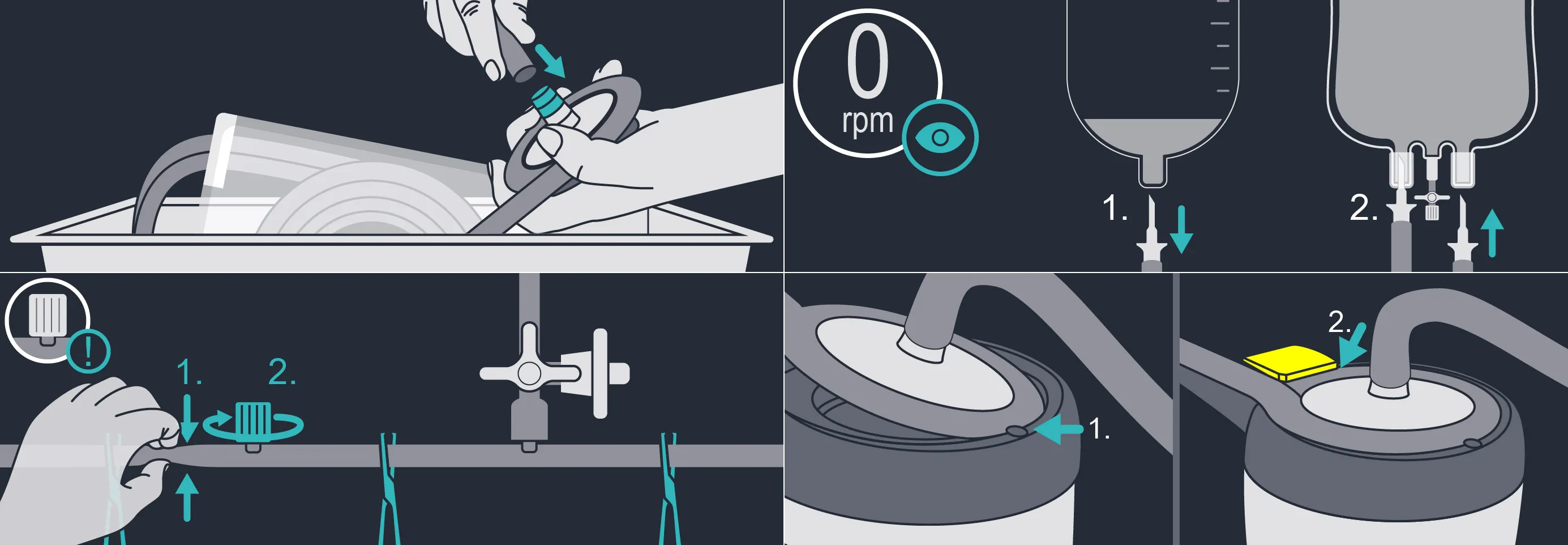
In addition to controlling the motor that oxygenates the blood, the system monitors blood pressure, temperature, and air bubbles in the tubing. Air bubbles can be potentially dangerous to the patient, which is why the system issues an early warning to prevent dangerous situations.
Lightweight with Mobility Benefits
Weighing just 11 kilograms, the Rotaflow II is significantly lighter than its predecessor and is ideally suited for use within the hospital. Since patients who require life-support measures are often transported within the hospital once a day, weight and mobility are important quality features. A multifunctional handle on the top further facilitates transport. A compact mount with the drive unit can also be attached to the handle.
Human-Centered Design: A Focus on GUI and UX Design
To further simplify operation, WILDDESIGN developed an intuitive graphical user interface (GUI) that focuses on clarity and ease of use. Dark color blocks and clear dividing lines help highlight the key functional areas, while illustrations and icons enhance usability. The Priming Wizard provides additional support by guiding the user step by step through the complex preparation process, enabling even inexperienced users to operate the system with confidence.
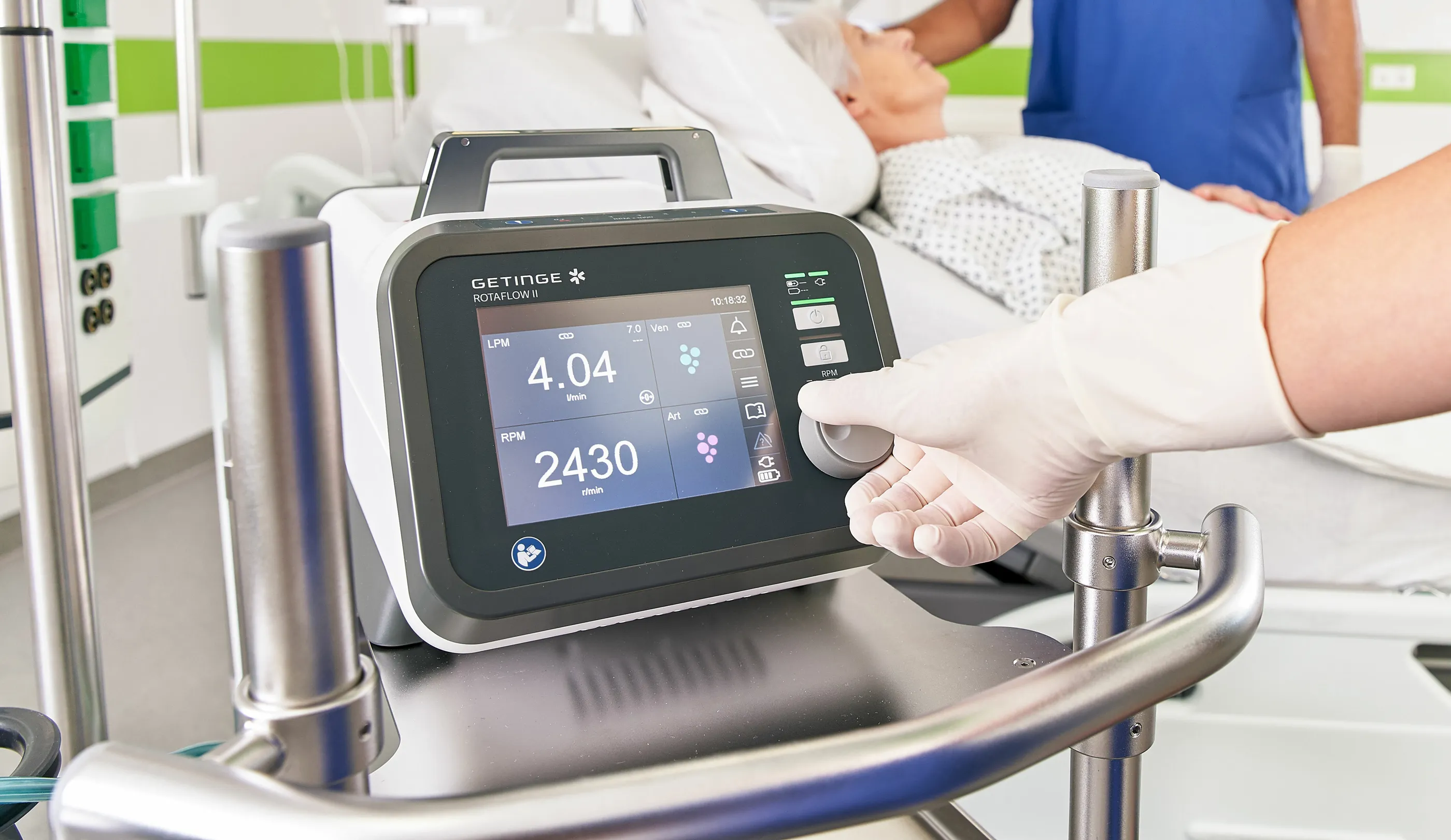
This user-centered approach emerged from site visits to various hospitals, during which WILDDESIGN observed how users actually interacted with the device. These insights were directly incorporated into the development of the new GUI, which was then tested and optimized through workshops and formative evaluations. Our collaboration with our usability partner, Benkana Interface, supported the design process and ensured that the requirements of everyday hospital life were met.
Rugged enough for everyday hospital use—efficiency and durability
The Rotaflow II was developed specifically for the demanding conditions of everyday hospital use. Its rugged plastic construction, developed in close collaboration with external plastics engineers, withstands the rigors of repeated cleaning and disinfection as well as exposure to potentially harmful substances. Despite this durability, the device remains slim and lightweight, ensuring it fully meets the demands of modern intensive care medicine.
Special attention was paid to tubing management. The flexible support arm allows important components, such as the centrifugal pump and the oxygenator, to be securely positioned without hoses hanging loosely or restricting the range of motion. The color-coded (yellow) clamps are easy to identify and quick to operate. Users can attach the support arm to both the Sprintercart and the bed frame, enabling flexible and safe use.
From Pitch to Partnership: A Successful Collaboration
What began as a pitch evolved into an intensive, long-term collaboration with Getinge. Over the course of several months, the Rotaflow II system was further developed through close cooperation. The iterative process and joint workshops made it possible to harmoniously integrate technical requirements, user feedback, and design specifications. Shortly after its market launch, the system significantly exceeded sales projections, confirming the project’s success.
WILDDESIGN Part
- Design Concept for the Case and User Interface
- Development of the Mounting Arm for Hose Management
- Detail design and prototyping
- Construction of the plastic parts
- Optimizing User Guidance Through GUI Design with a Wizard
- Development of the backup display and the rotary control
- Formative Evaluation and Usability Engineering
- User-Centered Product Development and Screen Protector Design
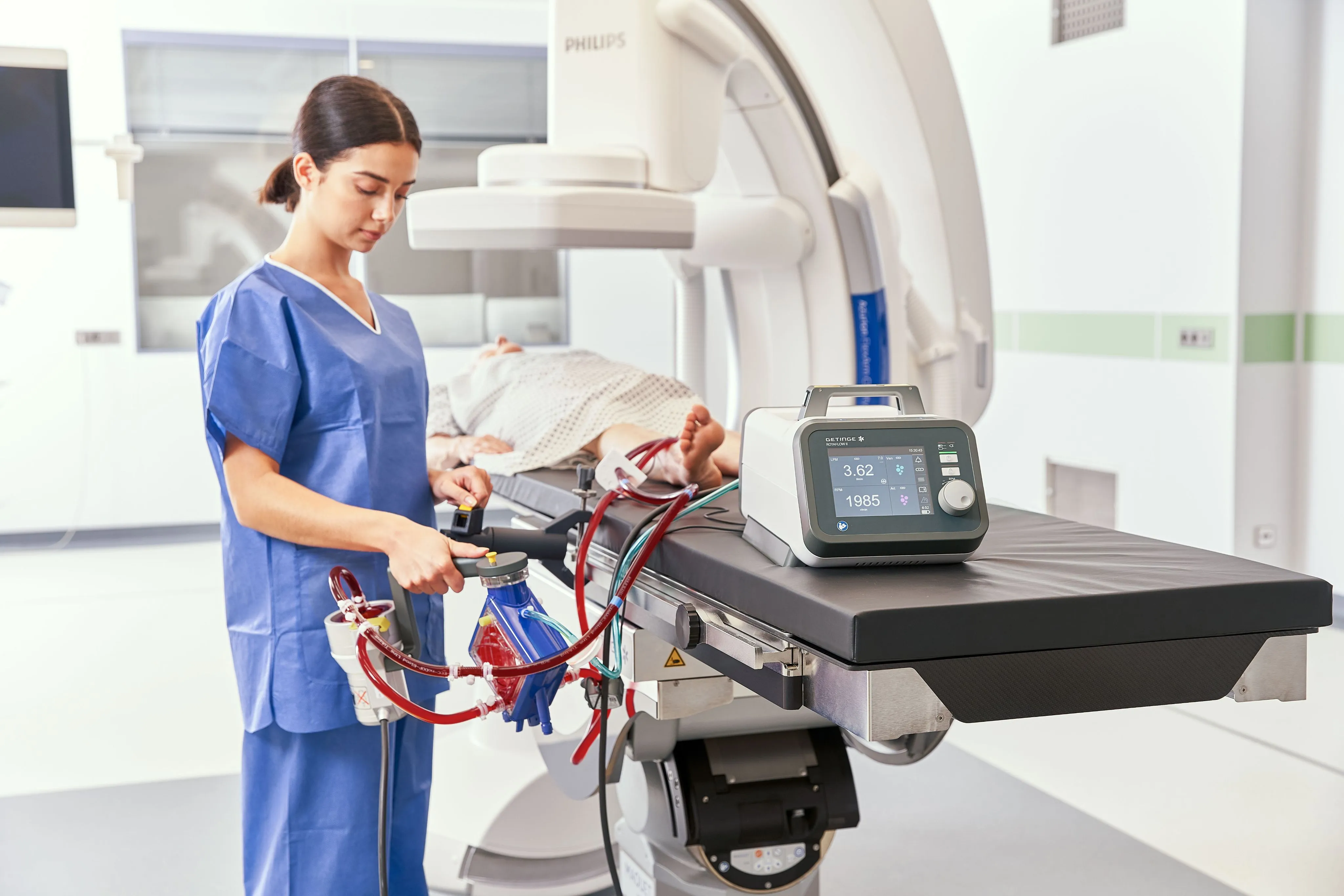
“The Rotaflow II combines state-of-the-art technology with an intuitive design. Thanks to our close collaboration with WILDDESIGN, we were able to develop a product that perfectly meets the demands of everyday hospital life.” – [Getinge, customer quote]

Your contact person for the project
Tim Meier
Lead Designer
+49-(0)209-702-642-00
tim.meier@wilddesign.deNext gen Medical design
More success stories for our customers

.webp)